Dětská psychoterapie: Jak pomoci dítěti přes trauma, vztahy a chování
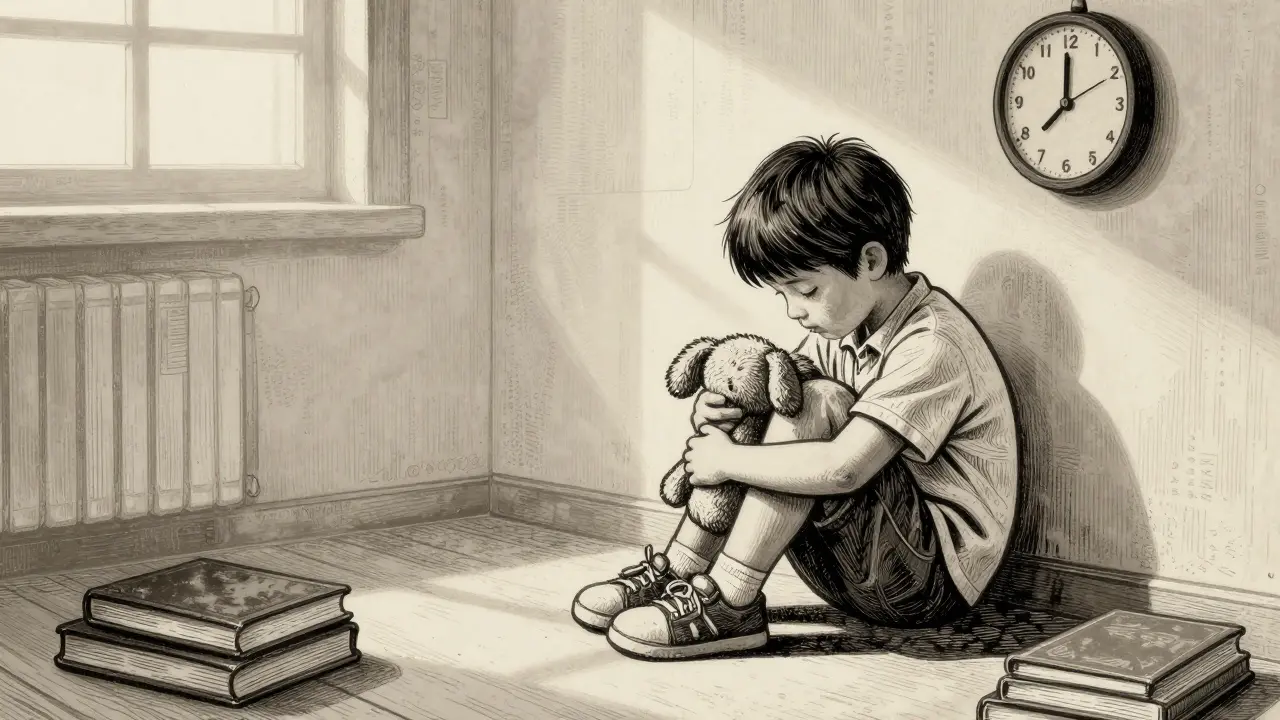
When a child doesn’t speak about their pain, it doesn’t mean they don’t feel it. dětská psychoterapie, specifický přístup k léčbě emocionálních a chovatelských problémů u dětí, který využívá hru, příběhy a bezpečný vztah jako nástroje komunikace. Also known as terapie pro děti, it is not a watered-down version of adult therapy—it’s a completely different language, built on trust, rhythm, and non-verbal cues. Many parents think therapy means sitting a child down for a talk, but real change happens when the child feels safe enough to show what they can’t say. This is why dětská psychoterapie focuses on the child’s world—their play, drawings, silence, and even tantrums—as meaningful expressions, not just misbehavior.
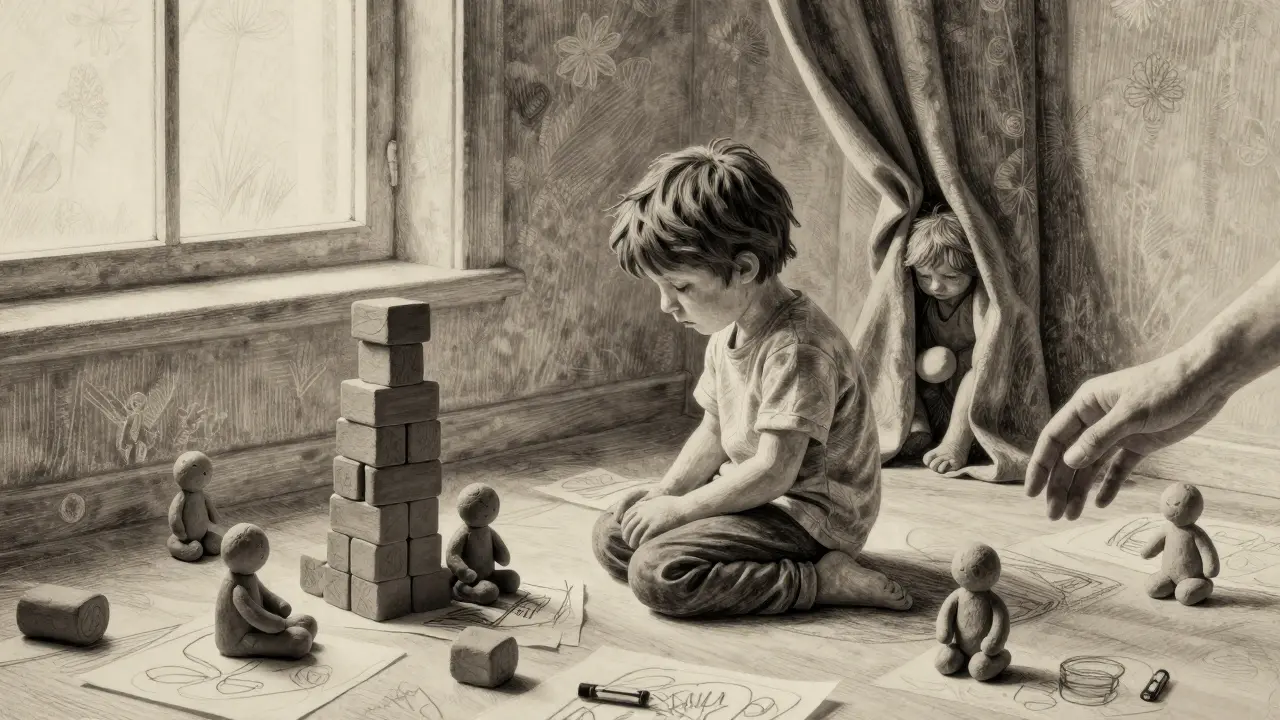
Behind every acting-out child is often an unspoken story: a divorce they didn’t understand, a sibling they feel replaced by, or a trauma they can’t name. dětské trauma, emocionální zranění, které se ukládá v těle a chování dítěte, i když se o něm nepromluví doesn’t always come from big events. It can be a parent’s constant stress, a teacher’s harsh word, or years of feeling unheard. That’s why rodinná terapie, přístup, který zahrnuje rodiče a blízké do léčebného procesu, protože dítě nežije ve vakuu is often the most effective path. A child can’t heal alone if the environment around them stays the same. Therapy isn’t just about fixing the child—it’s about changing the system they live in.
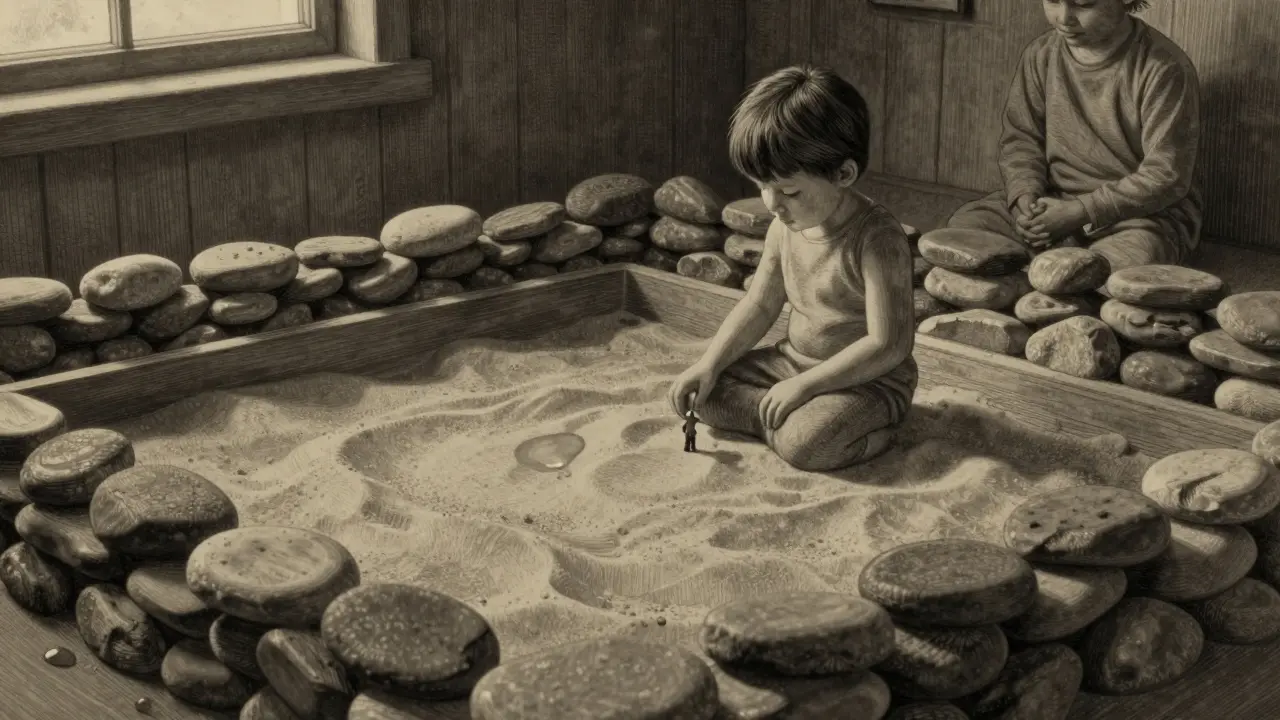
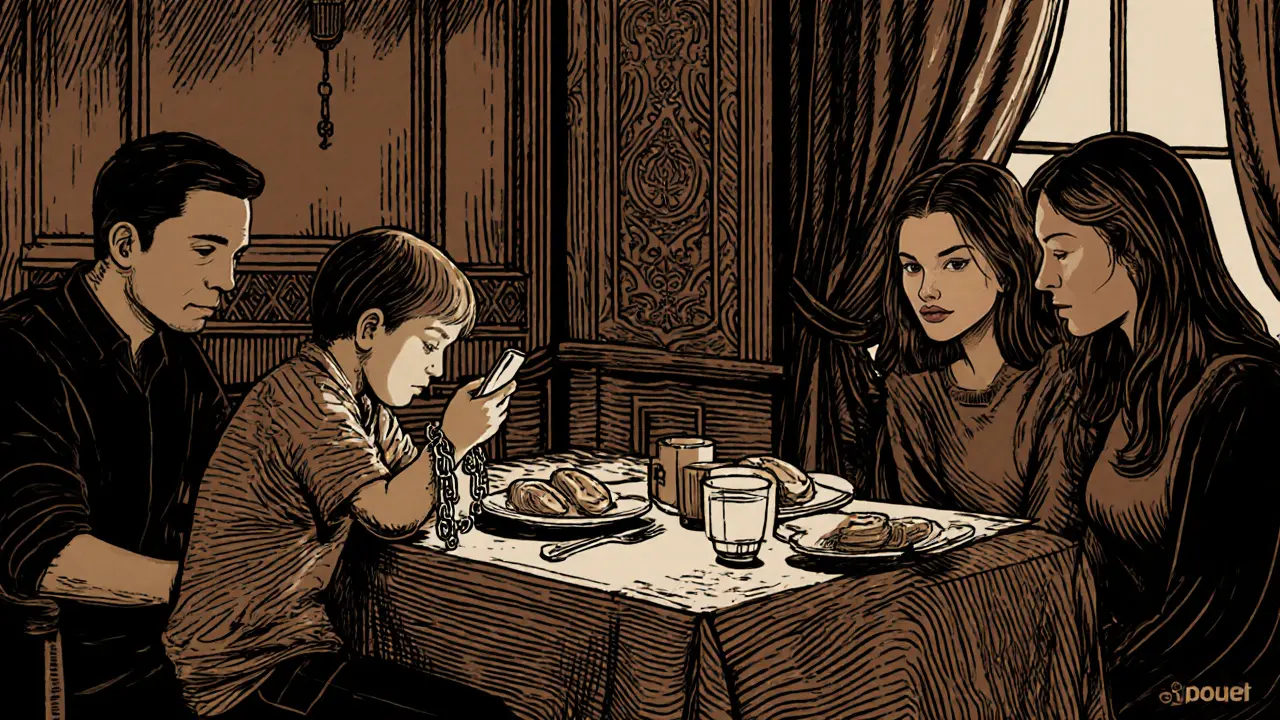
And then there’s the dětské vztahy, vztahy s rodiči, sourozenci, kamarády a učiteli, které tvoří základní síť bezpečí nebo nebezpečí pro dítě. A child who is bullied, ignored, or constantly criticized learns to shut down—or explode. Therapy helps them rebuild their sense of safety—not by fixing others, but by helping them understand their own reactions and find their voice. You’ll find posts here that show how dětská psychoterapie works with children who won’t talk, teens who scream, and families stuck in cycles of blame. You’ll see how play therapy helps a 5-year-old process a parent’s illness, how EMDR can be adapted for trauma in young children, and why sometimes the best intervention is teaching parents how to listen without fixing.
This isn’t about quick fixes. It’s about recognizing that a child’s behavior is communication—and that healing starts when someone truly sees them. Whether your child is struggling with anxiety, aggression, withdrawal, or just seems "off," the posts below offer real, grounded insights from practitioners who work with children every day. No jargon. No theory without practice. Just what actually helps—when it matters most.