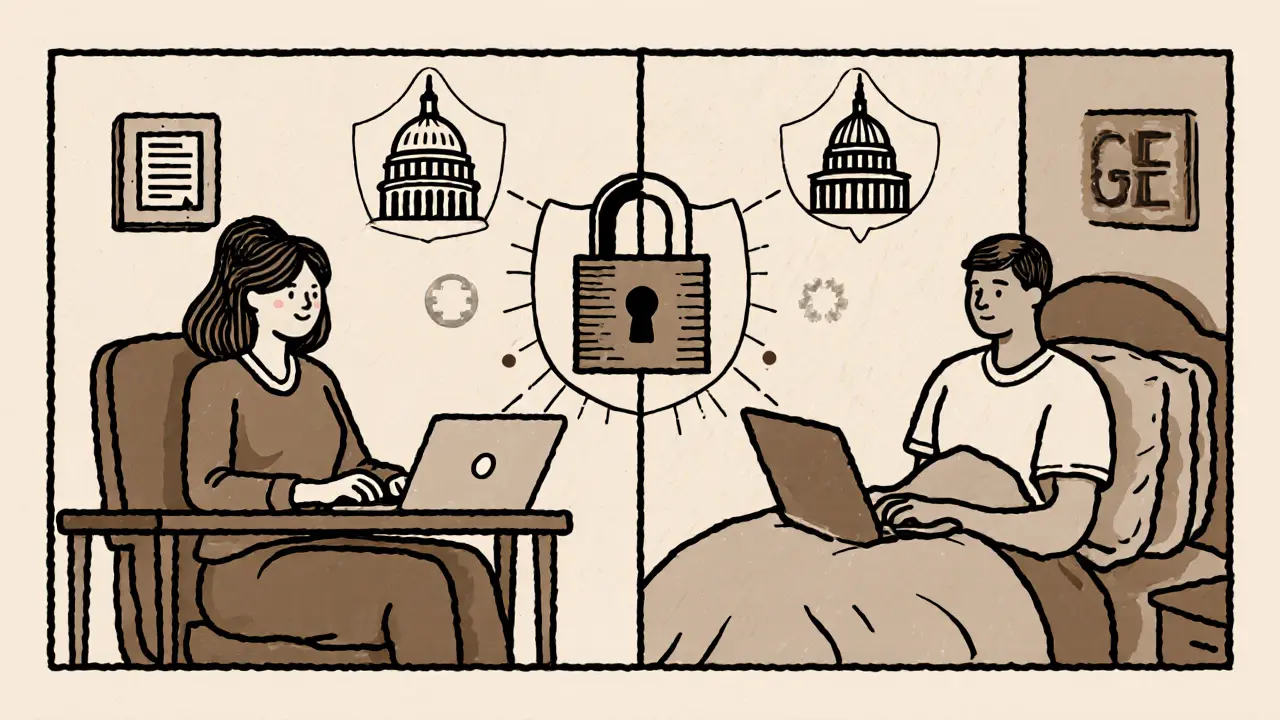
HIPAA vs GDPR v online terapii - jak chránit vaše data
Zjistěte, jak HIPAA a GDPR chrání vaše data v online terapii, jaké technické požadavky splňovat a na co se zaměřit při výběru bezpečné platformy.
Zobrazit víceWhen working with GDPR, obecné nařízení o ochraně osobních údajů, které platí v celé EU, also known as General Data Protection Regulation, it defines strict rules for handling any personal data, especially sensitive health information. In the context of psychoterapie, terapeutický proces zaměřený na duševní zdraví a emocionální podporu, GDPR sets the bar for consent, data storage, and client confidentiality.
One of the core requirements is that a therapist must obtain clear souhlas klienta, svobodně udělené povolení ke zpracování osobních a zdravotních údajů before any session begins. This consent can’t be hidden in a long contract; it must be specific, informed, and revocable at any time. Without a valid consent, any data processing – whether notes, recordings, or digital files – breaches the regulation.
Traditional face‑to‑face sessions already generate paper records. Therapists need secure filing cabinets, limited access, and a clear retention schedule – usually not longer than what the law mandates for health records. When it comes to online terapie, poskytování psychologické podpory přes internetové platformy, the stakes rise: data travel over networks, platforms store chat logs, and video calls are recorded. GDPR therefore requires encrypted connections (TLS), secure storage solutions, and contracts with any third‑party service that guarantee data protection.
In practice, a therapist who offers video sessions must choose a provider that signs a Data Processing Agreement (DPA). This agreement outlines who is responsible for what, ensuring that the platform’s technical safeguards (e.g., end‑to‑end encryption) align with GDPR’s “by‑design and by‑default” principle. The therapist remains the data controller, meaning they retain ultimate responsibility for the client’s information, even if the platform hosts the data.
Another key aspect is the right to access and rectify. Clients can request copies of their therapy notes, ask for corrections, or demand deletion of data that’s no longer needed. Therapists must have a straightforward procedure to respond within one month, as stipulated by GDPR. Ignoring such requests can lead to hefty fines and loss of professional credibility.
Data breaches are a real risk, especially with remote work. If a therapist discovers that an unauthorized party accessed client files, GDPR mandates reporting the incident to the supervisory authority within 72 hours and informing the affected individuals without delay. Having an incident response plan – including steps like securing the breach, documenting the event, and notifying the client – is not just good practice; it’s a legal obligation.
Beyond legal compliance, GDPR builds trust. When clients see that their therapist respects privacy, they’re more likely to open up, which improves therapeutic outcomes. Transparent privacy policies posted on a clinic’s website, clear consent forms, and regular reminders about data handling reinforce that trust.
Therapists also need to be careful with marketing. Sending newsletters or promotional material to former clients requires explicit opt‑in consent. Under GDPR, a single consent cannot cover both therapy and marketing; each purpose needs its own clear agreement. This separation protects clients from unwanted contact and keeps the therapeutic relationship professional.
For those working in group settings, such as family therapy or workshops, the data protection challenge multiplies. Each participant’s personal data must be handled individually, and consent forms should list all possible data recipients – from co‑therapists to administrative staff. When recording sessions for supervision, therapists must obtain written permission from everyone present.
If you’re a therapist just starting out, a practical checklist can help: 1) Draft a concise privacy notice that explains what data you collect, why, and how it’s stored. 2) Create a consent form that covers therapy, any recordings, and future research use if applicable. 3) Choose a secure platform with a signed DPA. 4) Set up an encrypted backup system and a clear data retention policy. 5) Train any staff on GDPR basics and breach response.
Finally, remember that GDPR is not static. Regulatory guidance evolves, especially as new digital tools appear. Staying updated through professional associations, attending workshops, and consulting legal experts ensures you don’t fall behind. The effort pays off: compliant practice, stronger client trust, and avoidance of costly penalties.
In the articles below you’ll find detailed guides on crisis intervention, online therapy, consent handling, and many other topics that intersect with GDPR requirements. Whether you’re looking for practical steps or deeper legal insight, the collection offers the tools you need to keep your practice safe and trustworthy.
Zjistěte, jak HIPAA a GDPR chrání vaše data v online terapii, jaké technické požadavky splňovat a na co se zaměřit při výběru bezpečné platformy.
Zobrazit více