Trauma a rodina: Jak trauma ovlivňuje rodinné vztahy a co s tím dělat
When you grow up in a family where emotions are suppressed, conflicts are ignored, or someone is always on edge, you don’t always realize you’re carrying trauma, a psychological wound from overwhelming experiences that changes how your brain and body respond to stress. Also known as emotional injury, it doesn’t vanish just because the event is over—it shapes how you love, argue, shut down, or overreact, often without knowing why. This isn’t just about one bad day. It’s about patterns passed down like a family recipe—unspoken rules, silent punishments, emotional neglect—that keep repeating across generations.
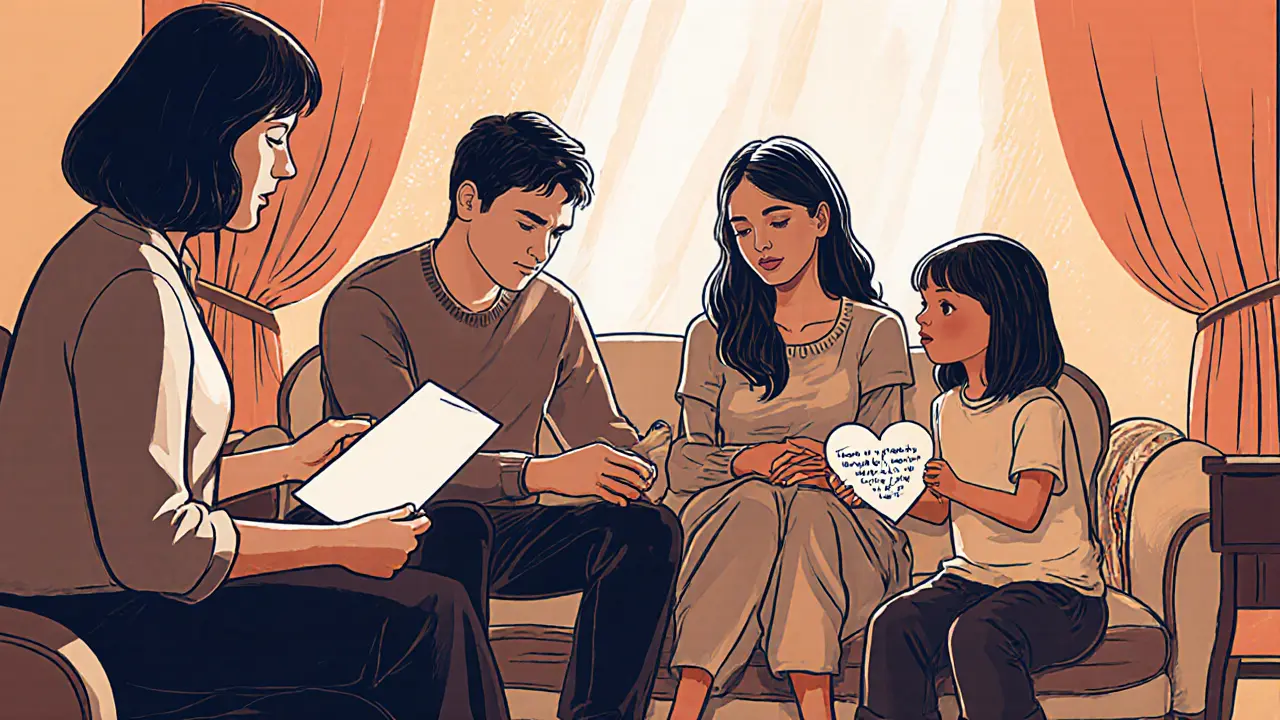
That’s why rodinná terapie, a form of therapy that looks at the whole family system, not just the individual. Also known as family systems therapy, it helps identify how trauma lives in the dynamics between parents and children, siblings, and even grandparents matters. You can’t fix trauma in one person if the family environment keeps triggering it. A parent who was never allowed to cry might unconsciously punish their child for showing sadness. A child who learned to stay quiet to avoid conflict might grow up avoiding honest conversations in their own relationships. These aren’t character flaws—they’re survival strategies learned in unsafe environments.
Generational trauma isn’t about blaming your parents. It’s about recognizing how their wounds became your automatic reactions. Maybe you overthink every small disagreement. Maybe you feel guilty for setting boundaries. Maybe you freeze when someone raises their voice—even if they’re not angry. These are signs your nervous system is still reacting to old threats. The good news? traumata v rodině, the hidden emotional patterns passed down through family lines. Also known as intergenerational trauma, they can be interrupted. Therapy doesn’t erase the past, but it gives you tools to stop repeating it.
In the posts below, you’ll find real, practical guidance on how trauma shows up in families—whether it’s a child acting out, a parent withdrawing, or a couple stuck in the same fight over and over. You’ll learn how to recognize these patterns, what kind of therapy actually helps, and how to start healing without needing to understand every detail of what happened years ago. Some articles focus on children, others on couples or entire families. All of them are grounded in what works in real life—not theory. You don’t need to fix your whole family to begin feeling safer, calmer, and more connected. Start with one step. One conversation. One moment of noticing: "This feels familiar because it’s not new—it’s inherited." And then, you choose differently.